How to Keep Your Sourdough Fresh for Days
Updated March 2026 · 4 min read
Sourdough has a natural advantage over commercial bread when it comes to shelf life - but it still needs the right environment to stay soft, chewy, and delicious. Here are the methods we swear by at Boca Dough.
🧺 The Counter Method
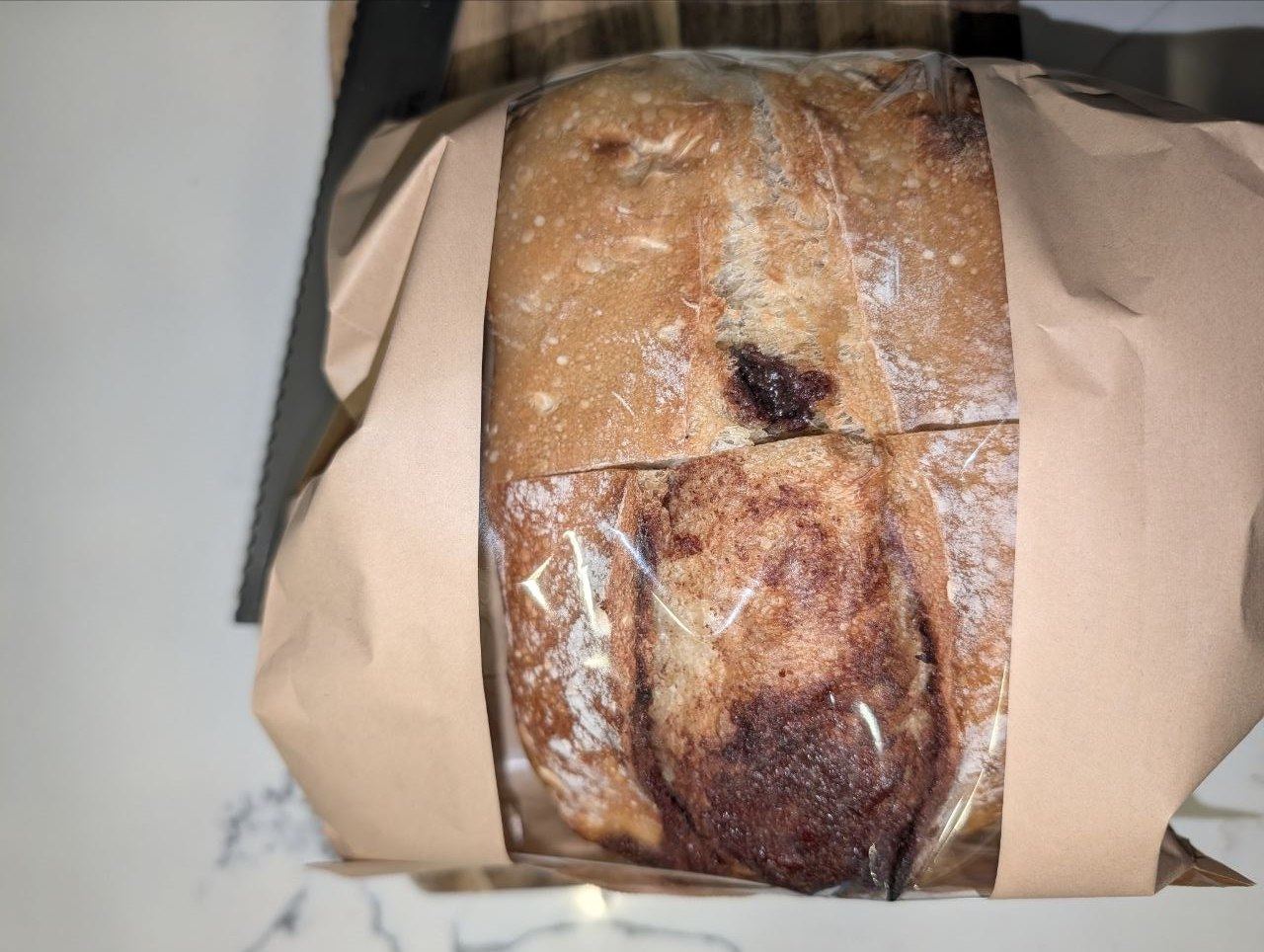
For the first 48 hours, skip the plastic bag. A paper bag, wax-lined bag (like the bag our bread comes in), or a classic bread box is the way to go. Why? Plastic traps moisture against the crust, turning it soft and gummy - the opposite of what you want from a beautifully baked loaf.
A paper bag or bread box lets the crust breathe while still keeping the interior from drying out too quickly. Think of it as giving your bread room to stay itself - crusty on the outside, tender on the inside.
For an even better long-term solution, we highly recommend a beeswax bread bag. These reusable bags (we love the ones from Bizzy Beezwax) are made with natural beeswax-coated cotton that lets your bread breathe just enough while locking in the perfect amount of moisture. Unlike plastic, they won't make your crust soggy - and unlike paper, they're washable, reusable, and built to last. They're the ideal home for your sourdough between slices.
🔽 The "Cut Side Down" Trick
Once you've sliced into your loaf, place it cut side down on your cutting board or counter. It's a simple mechanical trick - the exposed crumb acts as its own seal, pressing flat against the surface and preventing air from reaching the soft interior. No wrap needed for the first day or so.
🍞 The "Split the Middle" Trick
This one's a game-changer. Instead of slicing from one end, cut your loaf right down the middle. Take your slices from the center, then press the two halves back together when you're done.
As you work through the bread, the loaf gets smaller and smaller - but the two crusty ends remain intact, acting as guardians of the interior. The cut faces seal against each other, and the natural crust does the rest. It's elegant, effective, and requires zero accessories.
🔥 Reviving the Crust
Think your loaf is past its prime? Don't toss it. A "stale" sourdough loaf is almost always recoverable.
- Give it a quick splash of water - run the crust under the tap for a second or flick water over it with your hand.
- Pop it into a preheated 350°F oven for 8–10 minutes.
- Let it cool for a minute or two, then slice. You'll be rewarded with a crackling crust and a warm, soft interior - nearly as good as fresh out of the oven.
This trick works because the water turns to steam inside the oven, rehydrating the crust while the heat re-gelatinizes the starches inside. It's basically a bread reset button.
🧪 Interesting Fact
Sourdough stays fresh longer than "regular" bread because the lactic acid produced during fermentation acts as a natural preservative, slowing down starch retrogradation - the scientific term for staling. But keep in mind: we're talking about real, homemade bread here, not the grocery-store stuff loaded with artificial preservatives and dough conditioners. Our bread is alive - and that's what makes it special.